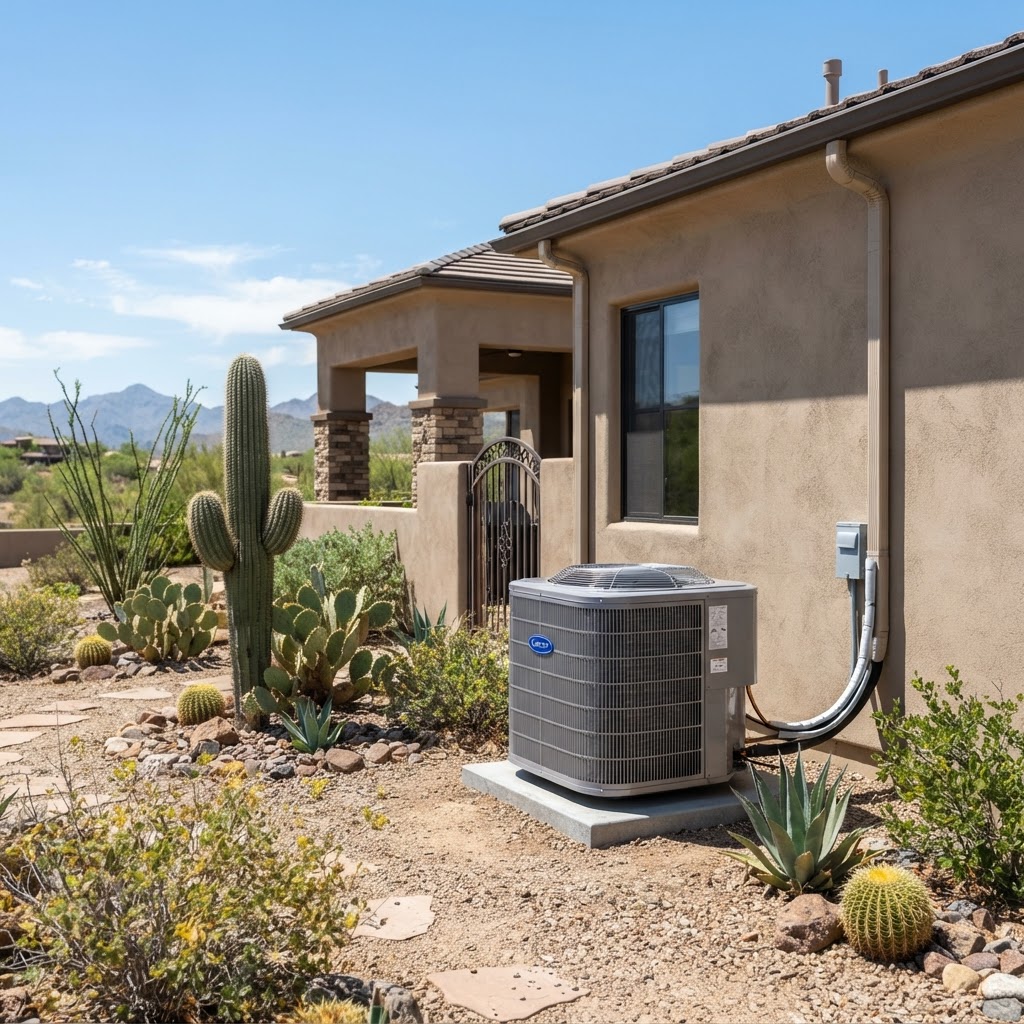
Phoenix metro temperatures regularly hit 115°F in July and August, and your air conditioner is working at or beyond its rated capacity every single day. When the system starts losing ground, most homeowners in Tempe, Mesa, and Scottsdale wait too long to call for help, turning a straightforward AC repair into an emergency replacement. At Brewer's Air Conditioning and Heating, we have been diagnosing exactly these failure patterns since 1982, and the causes are remarkably consistent. This article breaks down the real reasons your AC is losing the fight against Arizona heat and what you can do about it fast.
Table of Contents
- Why Arizona Heat Is Different From What Your AC Was Designed For
- The Most Common Reasons Your AC Stops Cooling in Phoenix and Tempe
- Dirty Coils and Clogged Filters: The Silent Efficiency Killers
- Refrigerant Problems in Arizona Summers
- Comparing Your Options: Repair, Tune-Up, or Replace
- When You Need Emergency AC Repair in Arizona Right Now
- What Brewer's Does Differently From the Big Competitors
- Frequently Asked Questions
Quick Takeaways
| Key Insight | Explanation |
|---|---|
| Dirty air filters are the number one DIY-preventable cause of AC failure | In Arizona dust conditions, filters can clog in 30 days, starving airflow and forcing the system to overheat and shut down |
| Low refrigerant is never a normal maintenance item | Refrigerant does not deplete on its own. If your system is low, there is a leak that must be found and repaired first |
| Oversized units cool poorly in Phoenix heat | A unit that short-cycles cannot remove humidity or maintain steady temperatures, leaving rooms feeling hot and clammy even at 78°F |
| Condenser coils outdoors get destroyed by Arizona dust and heat | Coils packed with dust insulate the refrigerant from releasing heat, cutting efficiency by up to 30% and spiking your utility bill |
| Capacitor failure is the most common emergency call in summer | Capacitors degrade rapidly when ambient temperatures exceed 110°F. A failed capacitor means the compressor or fan motor cannot start |
| Waiting to call costs more than calling early | A capacitor replacement averages a fraction of what a burned-out compressor costs. Early diagnosis saves hundreds to thousands of dollars |
| Flat-rate pricing eliminates the repair estimate surprise | Brewer's quotes the job, not the hour, so you know the cost before any work begins regardless of how long the repair takes |
Why Arizona Heat Is Different From What Your AC Was Designed For
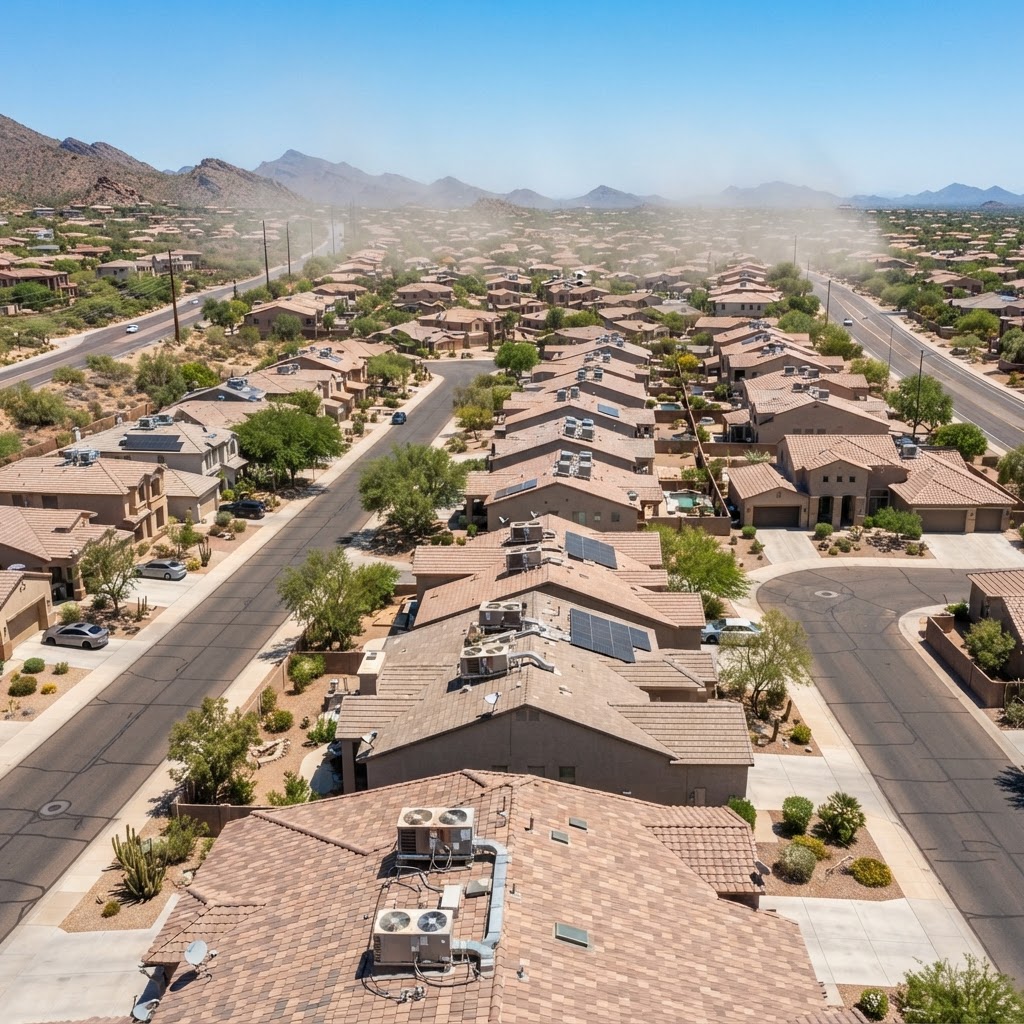
Most residential air conditioners sold in the United States are rated for peak outdoor temperatures of around 95°F to 105°F. Phoenix, Tempe, and the surrounding east valley routinely exceed that rating for weeks at a time. The National Weather Service confirms that Phoenix averages more than 110 days per year above 100°F, with peaks regularly above 115°F. Your AC is not malfunctioning in those conditions. It is simply overwhelmed.
The problem compounds because heat load is exponential, not linear. Each 10°F increase above design conditions roughly doubles the strain on the compressor. At 115°F outside and 75°F inside, your system is working against a 40-degree differential instead of the 25-degree differential it was sized for. That is not a design flaw. It is physics, and it means Arizona systems age faster, fail sooner, and need more frequent professional attention than systems in cooler climates.
In practice, this means a system that would comfortably last 18 years in Minnesota may need replacement in 12 to 14 years in the Phoenix metro. Brewer's technicians see this constantly when evaluating units in Ahwatukee, Gilbert, and Chandler homes built in the late 2000s. The equipment is not old by national standards. It is old by Arizona standards.
The Most Common Reasons Your AC Stops Cooling in Phoenix and Tempe
The phrase "AC not cooling" covers a wide range of problems, and the cause determines both the urgency and the cost. Based on service calls across the Phoenix east valley, the failures break down into predictable categories. Knowing which one you are dealing with determines whether you need an emergency same-day call or a scheduled maintenance visit.
Failed or Failing Capacitor
This is the single most common emergency AC repair call in Arizona during summer. Capacitors are small cylindrical components that give the compressor and fan motors the jolt of energy needed to start. At temperatures above 110°F, the thermal stress on these parts is extreme. A capacitor running at its rated limit in June will often fail completely by August.
The symptom is unmistakable: the outdoor unit hums but the fan does not spin, or the system clicks on and then shuts off within seconds. Do not ignore this. A compressor trying to start without a functioning capacitor draws enormous amperage and can burn out within hours. Capacitor replacement is inexpensive. Compressor replacement is not.
Thermostat Calibration and Placement Problems
A thermostat mounted near a west-facing window or in a hallway that gets direct afternoon sun will read temperatures 5°F to 10°F higher than the actual room temperature. The system runs constantly trying to hit a set point it can never reach. A common mistake is assuming the unit is undersized when the real problem is a misread thermostat. Brewer's technicians check thermostat placement as part of every diagnostic visit in Tempe and Scottsdale homes.
Compressor Overheating and Thermal Shutdown
Compressors have built-in thermal protection that triggers a shutdown when internal temperatures exceed safe operating limits. On a 115°F day, a condenser unit sitting in direct afternoon sun with restricted airflow can hit those limits and cycle off for 30 to 90 minutes before resetting. Homeowners call this "the AC works in the morning but stops in the afternoon." The fix involves addressing whatever is causing the overload, which usually points back to dirty coils or refrigerant issues.
Dirty Coils and Clogged Filters: The Silent Efficiency Killers
Arizona dust is not ordinary dust. The Sonoran Desert generates fine particulate that penetrates standard MERV-8 filters faster than dust in most other regions. The Department of Energy estimates that dirty air filters and coils can reduce AC system efficiency by 5% to 15%, but in Arizona conditions that number climbs higher because the dust loads are heavier and more persistent.
A clogged air filter does more than reduce airflow. It causes the evaporator coil inside your air handler to freeze. Frozen coils produce no cooling at all, and the ice takes hours to melt. Homeowners in Mesa and Gilbert who change their filters every 90 days as the packaging suggests are often changing them 60 days too late for Arizona conditions.
Pro tip: In the Phoenix metro, check your air filter every 30 days from May through September. If the filter is gray or you cannot see light through it, replace it immediately regardless of how recently you changed the last one.
Outdoor Condenser Coil Cleaning
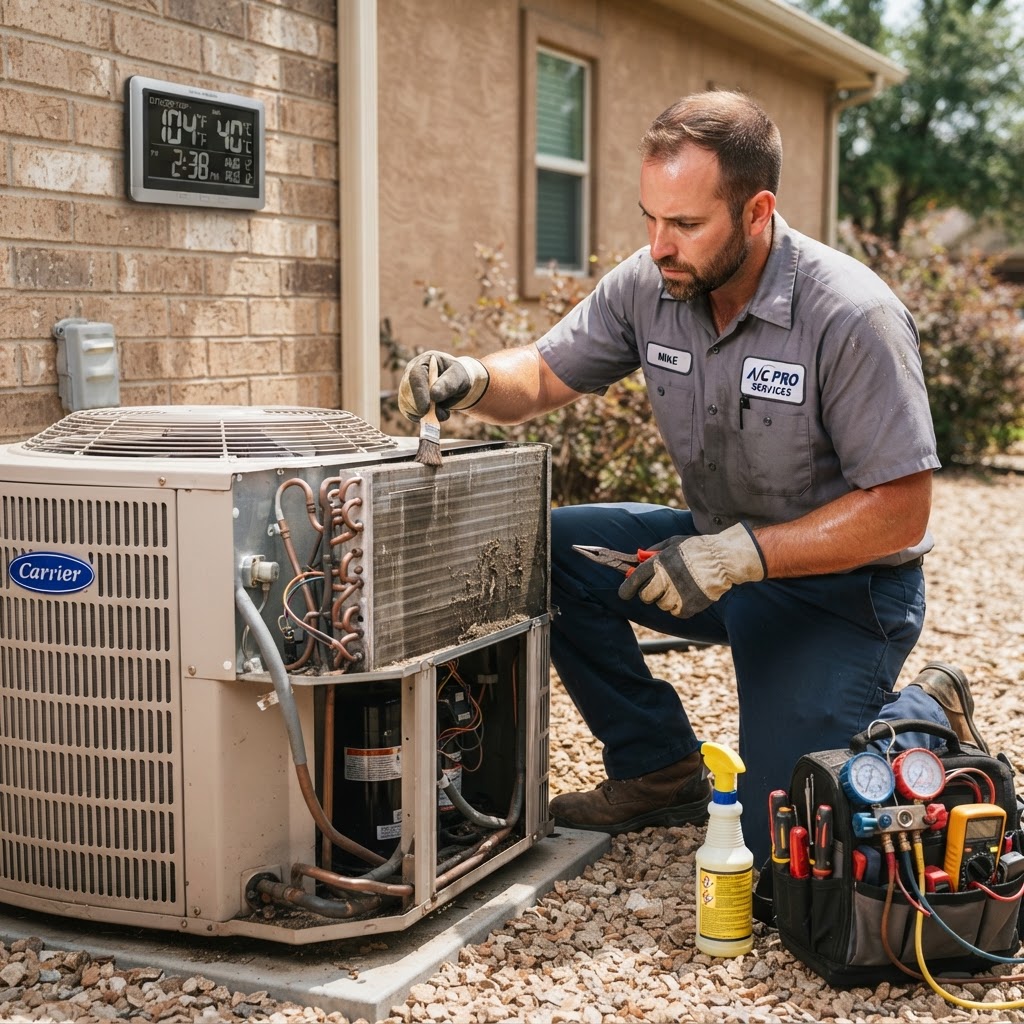
The condenser coil on your outdoor unit releases heat from the refrigerant into the outside air. When it is coated with dust, cottonwood seeds, or debris from monsoon storms, it cannot release that heat efficiently. The refrigerant stays hotter than it should, and the compressor works harder to compensate. Efficiency drops, electricity bills rise, and component life shortens.
A professional coil cleaning using the correct pressure and chemical solution takes about 30 minutes and makes a measurable difference in cooling output the same day. Brewer's includes this as part of its preventive maintenance agreements for residential customers in Tempe, Chandler, and Phoenix.
Refrigerant Problems in Arizona Summers
Low refrigerant is one of the most misunderstood AC problems. Refrigerant does not burn off or evaporate under normal operation. If a technician tells you your system is low on refrigerant and the only fix is a recharge without mentioning a leak search, find a different technician. Low refrigerant always means a leak, and adding refrigerant without fixing the leak wastes your money and damages the environment.
The symptoms of low refrigerant include warm air from supply vents, ice forming on the refrigerant lines near the air handler, and a hissing or bubbling sound near the outdoor unit. On a Trane or Lennox system in Scottsdale or Phoenix, a refrigerant leak left unaddressed will eventually cause compressor failure, which is among the most expensive repairs in residential HVAC.
"Refrigerant charge is the lifeblood of an air conditioning system. An undercharged system does not just cool poorly, it actively destroys the compressor over time." — Air Conditioning Contractors of America (ACCA) technical guidance documentation
R-410A, the refrigerant in most systems installed between 2010 and 2023, is being phased out under EPA regulations. Systems using this refrigerant are still serviceable, but future availability will become a cost factor. Newer Trane and Lennox systems now use R-454B, which Brewer's technicians are trained and certified to handle.
Pro tip: If you are losing refrigerant repeatedly, ask your technician specifically about electronic leak detection. Dye-based leak detection is older technology and often misses small leaks in coil joints that electronic sniffers catch immediately.
Comparing Your Options: Repair, Tune-Up, or Replace
One of the most common questions Brewer's customers ask is whether to repair an aging system or replace it. The answer depends on specific factors, not vague rules of thumb. The table below compares the three main paths based on real Arizona HVAC conditions.
| Option | Best Situation | Typical Cost Range (Arizona) |
|---|---|---|
| Targeted Repair (capacitor, contactor, fan motor) | System is under 10 years old, repair cost is less than 30% of replacement cost, no compressor involvement | $150 to $650 depending on component |
| Full Preventive Tune-Up | System is running but losing efficiency, no hard failure yet, preparing for peak summer demand | $89 to $200 for a full professional inspection and service |
| Full System Replacement | System is 12 or more years old in Arizona, compressor has failed, repair cost exceeds 50% of new system cost, or SEER efficiency is below 14 | $5,500 to $12,000+ depending on system size and efficiency rating |
The data consistently shows that homeowners who replace systems proactively when repair costs cross the 40% threshold save more over a five-year window than those who repair repeatedly. Arizona utility rates from APS and SRP make the efficiency gains from a modern 18 SEER unit meaningful on a monthly basis, often cutting cooling costs by 25% to 35% compared to a 10-year-old 13 SEER system.
When You Need Emergency AC Repair in Arizona Right Now
There is no gray area when temperatures are above 110°F and your AC has stopped working entirely. Arizona heat at that level is a medical hazard within hours for elderly residents, young children, and people with cardiovascular conditions. The Maricopa County Department of Public Health tracks heat-related deaths every summer, and a significant portion involve indoor environments that lost cooling.
If your system is producing zero cooling, you hear grinding or screeching from the outdoor unit, or you smell burning electrical components, those are not situations to troubleshoot with a YouTube search. Those require a same-day service call. Brewer's provides emergency AC repair service across Phoenix, Tempe, Mesa, and Scottsdale precisely because these situations are time-sensitive in Arizona in a way they simply are not in other parts of the country.
Before the technician arrives, set your thermostat to fan-only mode to circulate available cool air, close blinds on west and south-facing windows, and move vulnerable family members to a cooler part of the house or a neighbor's home if the interior temperature climbs above 85°F.
What Brewer's Does Differently From the Big Competitors
Parker and Sons, Goettl, and Penguin Air are well-funded operations with large marketing budgets. What they often cannot offer is the consistency of a family-operated company that has been serving the same east valley communities since 1982. Brewer's does not subcontract its technicians to meet surge demand. Every technician who shows up at your door is a Brewer's employee trained on the specific conditions and failure modes common to Arizona homes.
The flat-rate pricing model matters here. When you call during peak demand in July, you get the same quoted price you would get in February. There is no summer surcharge buried in an hourly labor rate. You are told the cost before a single bolt is turned, and that price does not change based on how long the job takes.
Brewer's also specializes in Trane and Lennox equipment, which are consistently rated among the most durable brands for high-heat climates. A technician who services the same brand repeatedly knows its failure patterns, has the parts on the truck, and diagnoses faster. That translates to less time without cooling in your home.
Frequently Asked Questions
How often should I change my air filter in Arizona?
In the Phoenix metro, every 30 days during summer is the right answer for most standard 1-inch filters. Homes near construction, with multiple pets, or in areas with heavy monsoon dust should check even more frequently. Thicker media filters (4 to 5 inch) can last longer but still need monthly visual checks from May through September.
My AC is running but not cooling the house below 80°F. What is wrong?
The most likely causes in order of probability are: a severely clogged air filter reducing airflow, low refrigerant from a leak, dirty condenser coils preventing heat rejection, or a failing compressor running at reduced capacity. Each of these produces the same symptom but requires a different fix. A diagnostic visit will pinpoint the cause within 30 to 45 minutes in most cases.
Is it worth repairing an AC unit that is 10 years old in Arizona?
It depends on what failed. A capacitor or contactor replacement on a 10-year-old unit is almost always worth doing. A compressor replacement on the same unit is a harder call because you are investing significant money in a system that may need full replacement within two to four years. Ask your technician for an honest assessment of the overall system condition, not just the immediate failed part.
How do I know if I need emergency AC repair or if I can wait until the next business day?
If interior temperatures are approaching 85°F, if anyone in the home is elderly, has a health condition, or is a young child, or if it is a weekend in July or August, treat it as an emergency. Heat illness can develop faster than most people expect. Brewer's offers same-day service in Tempe, Phoenix, Mesa, Scottsdale, and surrounding east valley areas for exactly this reason.
Why does my AC work fine in the morning but stop cooling in the afternoon?
This is a classic sign of thermal overload or a marginal capacitor that functions when cool but fails under heat stress. The outdoor unit may also be in direct afternoon sun without adequate clearance, causing the compressor to hit its thermal shutoff. A technician needs to measure system pressures and electrical readings during peak afternoon heat to diagnose this accurately, not during a morning visit when the symptoms are not present.
What is the difference between an AC tune-up and a diagnostic repair visit?
A tune-up is preventive maintenance performed on a functioning system: cleaning coils, checking refrigerant charge, testing electrical components, lubricating motors, and calibrating thermostat settings. A diagnostic repair visit starts with a system that has already failed or is actively underperforming. Tune-ups prevent the repair calls. If you have not had one in the last 12 months, schedule it before peak summer demand, not during it.
Have you dealt with an AC breakdown during an Arizona summer? Share what happened and how you got it resolved, because your experience might help another homeowner make the right call faster.
References
- U.S. Department of Energy: Home cooling efficiency guidance and air filter impact data
- U.S. Environmental Protection Agency: Refrigerant phase-down regulations and homeowner guidance
- National Weather Service: Phoenix climate data and extreme heat statistics
- Maricopa County Public Health: Heat-related illness and indoor temperature safety resources
- Air Conditioning Contractors of America: Technical standards for refrigerant charge and HVAC diagnostics
About the Author
Mark Ybarra
Mark Ybarra is the owner and leader of Brewer's Air Conditioning & Heating, a trusted HVAC company serving Tempe, Phoenix, Scottsdale, Mesa, and surrounding Arizona communities since 1982. After working in multiple roles within the company, Mark officially took ownership in 2018 and continues to uphold Brewer's long-standing commitment to integrity, exceptional service, and customer satisfaction.
Need HVAC Help?
Serving Phoenix, Tempe, Scottsdale, Mesa & surrounding areas since 1982.