Most homeowners who attempt a DIY AC repair in Phoenix do it to save a few hundred dollars. A significant number of them end up spending thousands. When outdoor temperatures push past 110°F and your air conditioner goes down, the pressure to do something, anything, is intense. But the DIY AC repair risks in Phoenix are not the same as the risks of, say, patching drywall or replacing a faucet. HVAC systems in Arizona run harder, fail faster, and carry legal, safety, and warranty consequences that most YouTube tutorials quietly skip. This article breaks down exactly why a professional service call from a licensed HVAC technician is almost always the cheaper option in the long run, and where the real costs hide when homeowners go it alone.
Table of Contents
- Why Phoenix Changes the DIY Calculation Entirely
- The Real Cost of Common DIY Mistakes
- Refrigerant Handling Is Illegal Without Certification
- Warranty Voidance: The Hidden Financial Trap
- DIY vs. Professional AC Repair: A Direct Comparison
- What You Can Safely Do Yourself
- Choosing the Right HVAC Professional in the Phoenix Area
- Frequently Asked Questions
- References
Quick Takeaways
| Key Insight | Explanation |
|---|---|
| Refrigerant work is federally regulated | EPA Section 608 of the Clean Air Act requires certification to handle, add, or remove refrigerant. Unlicensed handling can result in fines exceeding $40,000 per day per violation. |
| Wrong diagnosis multiplies cost | Replacing a capacitor when the real failure is a failing contactor means you pay for parts twice, and the system fails again within weeks. |
| Compressor damage from DIY refrigerant work can be permanent | Improper refrigerant handling can damage a compressor permanently within hours. Compressor replacement in Phoenix typically ranges from $1,500 to $4,500 depending on system size and brand. |
| Manufacturer warranties require licensed service | Most manufacturers, including Trane and Lennox, require professional service to keep warranty coverage valid. DIY work, even well-intentioned, can void coverage entirely. |
| Phoenix attic conditions accelerate secondary damage | Attic temperatures in Arizona can reach around 160°F in summer. A partially repaired system or mis-seated component degrades much faster here than in a milder climate. |
| A licensed tech diagnoses the problem faster | An experienced HVAC technician can diagnose most AC problems in 15 to 30 minutes using gauges and multimeters. DIY troubleshooting routinely takes a full weekend and multiple wrong guesses. |
| Flat-rate pricing removes the cost uncertainty | A reputable Phoenix HVAC company with upfront flat-rate pricing gives you the repair cost before work begins, so the service call is never a financial surprise. |
Why Phoenix Changes the DIY Calculation Entirely
A broken AC in a mild climate is an inconvenience. In Phoenix during July, it becomes a genuine health emergency within hours. When temperatures outside regularly push past 110°F, the inside of an uncooled home climbs to dangerous levels faster than most people expect. This physical reality reshapes every cost-benefit analysis around DIY AC work.
The stakes are simply not the same here as in other parts of the country. In Phoenix, heat-related illness is a documented public health issue every summer, and time spent troubleshooting a unit yourself is time your family spends sweltering inside. Spending a weekend on trial-and-error repairs is not an abstract inconvenience. It is a weekend of dangerous heat exposure for children, elderly family members, and pets.
Beyond the immediate health risk, Phoenix's extreme environment accelerates secondary damage from any repair done incorrectly. Attic temperatures in Arizona can reach around 160°F in summer. A mis-seated electrical connection, an incorrectly charged refrigerant system, or a component installed without proper torque will degrade far faster in those conditions than it would in a cooler climate. The repair window between "almost working" and "completely failed" is much shorter here than most DIY guides account for.
The fundamental question is not whether you are capable of watching a tutorial and buying parts. The question is what happens if you are wrong, and whether you can afford the consequences in the middle of a Phoenix summer.

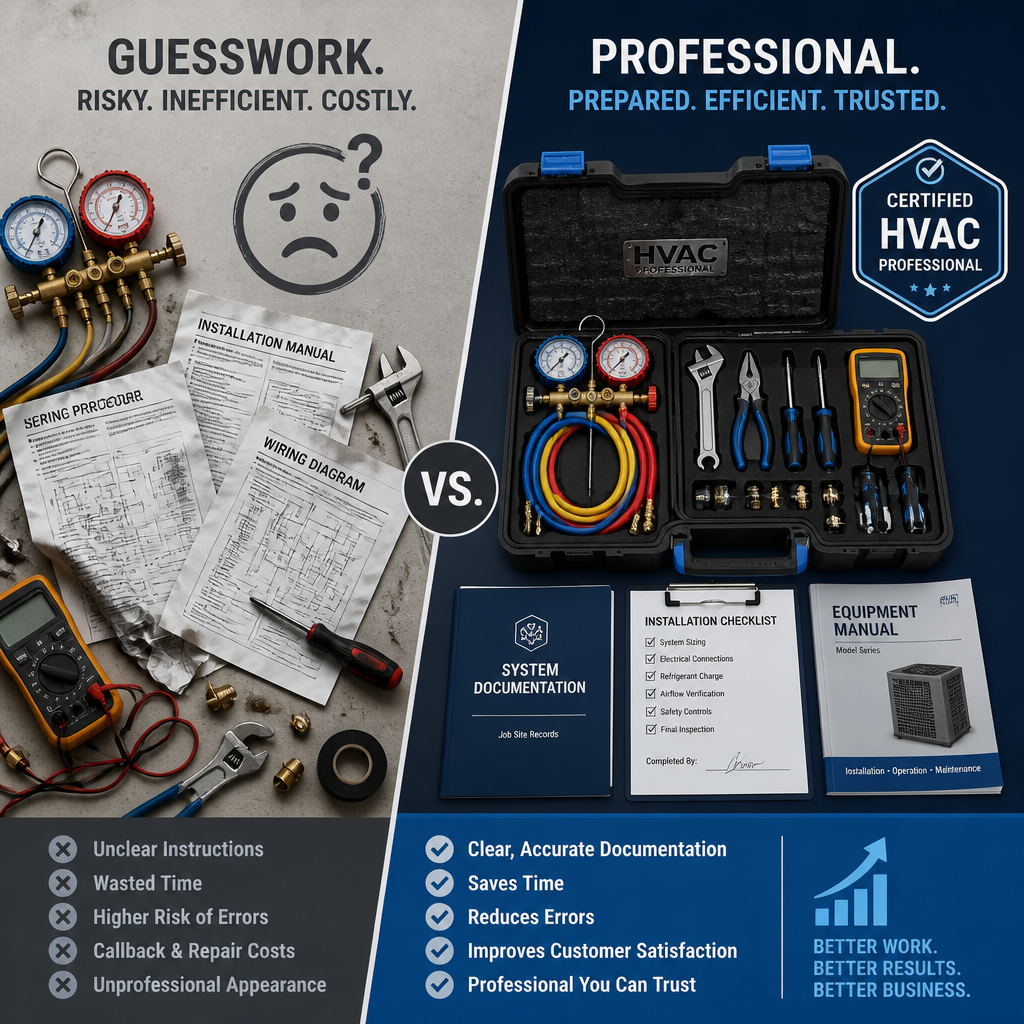
The Real Cost of Common DIY Mistakes
The most expensive DIY AC mistakes in Phoenix do not come from completely botching a repair. They come from fixing the wrong thing. Secondary damage is the term technicians use for it: you replace one component, miss the underlying cause, and the new part burns out within weeks because the root problem was never addressed.
Misdiagnosed Capacitor and Contactor Failures
Capacitor replacement is one of the most commonly attempted DIY AC repairs because the parts are inexpensive and available at hardware stores. The problem is that a failing capacitor is often a symptom, not the primary cause. If the contactor that controls the capacitor is pitted or burned, the new capacitor will fail again quickly. You will have spent money on parts, spent a day on the repair, and still have a broken system that now needs a professional to diagnose the real failure.
Pro tip: A capacitor test requires a multimeter and basic electrical knowledge, but do not stop there. A trained tech always inspects the contactor at the same time. If you skip that step, you are guessing, and guessing on a hot July weekend in Tempe or Mesa is expensive.
Refrigerant Errors That Destroy Compressors
Some homeowners, finding that their system is not cooling, assume the refrigerant is low and attempt to add refrigerant purchased from a home improvement store. This is a serious mistake for multiple reasons covered in the refrigerant section below, but the mechanical consequence is immediate and severe. Improper refrigerant handling can damage a compressor permanently within hours. Compressor repairs in the Phoenix area typically range from $1,000 to $4,500 depending on system size and brand, making this one of the costliest single mistakes an Arizona homeowner can make on an AC unit.
Electrical Work Without Proper Safety Protocol
AC capacitors can hold a dangerous electrical charge even with the power off at the breaker. Phoenix-area heat and dust also accelerate contactor degradation, meaning the electrical components in a Phoenix AC unit are often in worse condition than visual inspection suggests. Working on these components without the correct discharge procedure and insulated tools is a genuine safety hazard, not just a theoretical one.
HVAC systems run on high-voltage circuits. An electrical error that trips a breaker is the optimistic outcome. The worst-case outcomes involve equipment fires or serious personal injury. A system that repeatedly trips its circuit breaker is drawing excessive current, which usually signals a grounded compressor or a wiring short. Resetting that breaker repeatedly, which many homeowners do while troubleshooting, is a fire hazard.
Refrigerant Handling Is Illegal Without Certification
This is the point that most DIY content glosses over, and it matters significantly for Phoenix homeowners. Under EPA regulations (40 CFR Part 82, Subpart F) and Section 608 of the Clean Air Act, anyone who maintains, services, repairs, or disposes of equipment that could release regulated refrigerants into the atmosphere must hold an EPA Section 608 Technician Certification. This is a federal legal requirement, not a guideline.
Working on refrigerant circuits without this certification is not just inadvisable. It is illegal, and fines for violations can exceed $40,000 per day per violation. The certification requirement covers anyone who could reasonably be expected to open the refrigerant circuit, which includes adding refrigerant, connecting or disconnecting gauges, or any activity that opens the sealed system.
If the fix involves refrigerant, electrical wiring, or any sealed component of your compressor, the only safe and legal answer is to call a licensed technician. There is no version of that repair that belongs in the DIY category.
The practical implication for Phoenix homeowners is this: if your AC is not cooling and you suspect low refrigerant, you cannot legally address it yourself. A licensed HVAC technician holds EPA Section 608 certification, has the equipment to test refrigerant levels accurately, and can also identify whether a leak is causing the low charge. Topping off refrigerant without fixing the leak is also the wrong approach, but it takes a trained eye and proper diagnostic equipment to find the leak source.
Pro tip: If a neighbor or handyman offers to "add some Freon" to your unit without mentioning EPA certification or a leak test, that is a red flag. Refrigerant added to a leaking system will be gone within weeks, and you will have paid for a temporary fix that delays proper repair and potentially damages your compressor.

Warranty Voidance: The Hidden Financial Trap
New AC systems in Phoenix are a significant investment. A quality system from a brand like Trane or Lennox carries manufacturer warranties that can cover compressor and parts failures for years after installation. Those warranties exist to protect you from exactly the kind of catastrophic component failure that the Arizona climate accelerates.
Most manufacturer warranties include a specific requirement: maintenance and repairs must be performed by a licensed HVAC professional. Attempting your own repairs, even with good intentions and correct parts, can void that warranty entirely. The manufacturer does not need to prove the DIY work caused the failure. The fact that unlicensed work was performed on the system is typically sufficient grounds to deny a claim.
The financial math here is straightforward. A compressor replacement on a mid-range system that falls outside warranty coverage can cost $1,500 to $4,500 out of pocket. The service call you were trying to avoid might have cost a fraction of that. Voiding a warranty to avoid a service call is one of the most expensive miscalculations a Phoenix homeowner can make.
Beyond the compressor, this logic applies to any component that fails under warranty conditions. Attempting to replace an evaporator coil, blower motor, or control board yourself can eliminate your coverage on parts that a licensed technician would have replaced at manufacturer cost. The warranty is valuable precisely because these parts fail, and they fail more frequently in the Phoenix heat.
DIY vs. Professional AC Repair: A Direct Comparison
The comparison below covers three scenarios Phoenix homeowners actually encounter. The costs reflect real repair scenarios and should not be taken as fixed quotes, since final pricing depends on system age, brand, and complexity. They illustrate the cost trajectory, not a guaranteed outcome.
| Repair Scenario | DIY Attempt Outcome | Professional Service Outcome |
|---|---|---|
| Suspected low refrigerant / system not cooling | Illegal without EPA 608 cert. Store-bought refrigerant risks compressor damage. Underlying leak not found. System fails again within weeks. Eventual compressor replacement: $1,500 to $4,500. | Licensed tech tests charge, locates leak, repairs leak, restores correct refrigerant level. System runs correctly. Warranty intact. |
| Capacitor appears failed / system won't start | Capacitor replaced without checking contactor. Contactor burns out new capacitor within weeks. Two parts purchased, two installs, system still down. Secondary call to a pro still required. | Tech checks capacitor and contactor together. Both replaced if needed. Problem diagnosed correctly in 15 to 30 minutes. System restored in one visit. |
| Breaker tripping repeatedly | Breaker reset multiple times. Fire hazard from overcurrent. Underlying electrical fault or grounded compressor left unaddressed. Risk of system damage escalation. | Tech identifies overcurrent source: grounded compressor, wiring short, or failed contactor. Correct repair made. Safety restored. |
What You Can Safely Do Yourself
Not every AC task requires a licensed technician, and being clear about what is genuinely safe for homeowners is part of giving honest advice. There is a real category of maintenance that Tempe, Mesa, Chandler, and Ahwatukee homeowners can handle without risk, and doing these things consistently will reduce how often you need a professional visit.
Air Filter Replacement
In Phoenix, HVAC filters clog faster than manufacturers' printed schedules suggest. Dust, pollen, and the particulate matter from our desert environment means a filter that a manufacturer rates for 90 days may need replacement every 30 to 45 days, especially if you run your system heavily during summer. Replacing filters on schedule is the single highest-value maintenance task a homeowner can do, and it requires no tools and no technical knowledge.
Thermostat Settings and Basic Resets
Checking thermostat settings, replacing thermostat batteries, and resetting a tripped breaker (once, not repeatedly) are all reasonable first steps. If a breaker trips again immediately after being reset, stop and call a professional. That second trip is the system telling you something is electrically wrong, not a fluke.
Outdoor Unit Debris Clearance
Keeping at least two feet of clearance around the outdoor condenser unit and rinsing the condenser fins gently with a garden hose (with the power off) can improve efficiency. Phoenix dust storms deposit debris on condenser coils quickly. This is a safe task for homeowners and can meaningfully reduce strain on the system. Do not use a pressure washer, which can bend the fins and reduce airflow.
Beyond these tasks, the risk-to-benefit ratio shifts sharply toward calling a professional. The AC repair professional vs. DIY line is not a matter of mechanical aptitude. It is a matter of diagnostics, legal compliance, and the specific dangers of working on high-voltage, high-pressure systems in an environment where the consequences of error compound quickly.
Choosing the Right HVAC Professional in the Phoenix Area
Knowing that you should call a professional does not automatically tell you which professional to call. The Phoenix and east valley market has many HVAC companies, and the quality, transparency, and pricing practices vary considerably. Here is what actually matters when choosing who to trust with your system.
Licensing and EPA Certification
Any HVAC technician working on refrigerant in Arizona must hold EPA Section 608 certification. Any company doing HVAC work in Arizona must hold a valid Arizona contractor's license. These are not optional differentiators. They are baseline requirements. Verify both before allowing anyone to work on your system.
Flat-Rate and Upfront Pricing
Hourly billing on HVAC repairs creates uncertainty that works against the homeowner. You have no way to know whether a repair takes 45 minutes or three hours until the invoice arrives. A company that uses upfront flat-rate pricing tells you the cost before work begins, which eliminates that uncertainty entirely. For homeowners in Tempe, Scottsdale, Mesa, Gilbert, and the surrounding east valley, Brewer's Air Conditioning and Heating offers exactly this model, backed by more than four decades of service in central Arizona since 1982.
Brand and Equipment Familiarity
Phoenix homes and commercial properties frequently run Trane and Lennox systems. A technician familiar with these brands' specific failure patterns, diagnostic codes, and warranty requirements will complete a repair more accurately and more quickly than a generalist. Familiarity with the equipment also matters for warranty work, since some manufacturers require authorized service to preserve coverage.
Response Time During Peak Season
In the middle of July, a company that books two weeks out is not a viable option for a failed AC. Ask about same-day and emergency service availability before you need it. In central Arizona, the companies worth keeping in your contacts are the ones that can respond when temperatures make delay dangerous. For residential homeowners in Ahwatukee, Chandler, Mesa, Gilbert, and Phoenix, a company with deep local roots and strong logistics for peak-season response is not a luxury. It is the baseline expectation for HVAC service in this climate.
Pro tip: Schedule a preventive maintenance visit in early spring, before the peak summer heat arrives. The most common and most predictable summer failures in Phoenix, including weak capacitors, dirty coils, low refrigerant, and loose electrical connections, are caught and corrected during a proper tune-up. A spring visit costs a fraction of an emergency repair call and keeps your system, your warranty, and your comfort intact through the hottest months.
Frequently Asked Questions
Is it ever legal for a homeowner to add refrigerant to their own AC in Phoenix?
No. Under EPA Section 608 of the Clean Air Act, anyone who services, repairs, or maintains equipment that could release regulated refrigerants must hold an EPA 608 Technician Certification. This applies to homeowners and professionals alike. Adding refrigerant to your own system without certification is a federal violation. The only legal path is to hire a certified HVAC technician.
What does a professional AC service call actually cost in Phoenix compared to a DIY attempt?
For most Arizona homeowners, a standard professional AC repair falls between $275 and $1,200 depending on the component and complexity. A DIY attempt that misdiagnoses the problem and results in compressor damage can push costs to $1,500 to $4,500 for compressor replacement alone, plus the cost of the incorrect parts purchased during the failed DIY attempt. The math favors the professional call in most realistic scenarios.
Will my Trane or Lennox warranty cover repairs if I attempt DIY work first?
Almost certainly not. Major manufacturers including Trane and Lennox require that service and repairs be performed by licensed professionals as a condition of warranty coverage. If unlicensed work is documented on your system and a related failure occurs, the manufacturer can deny the warranty claim. Voiding a multi-year warranty to avoid a service call is one of the most costly mistakes Phoenix homeowners make.
What are the AC tasks I can safely handle myself as a Phoenix homeowner?
You can safely replace air filters (more frequently than the manufacturer schedule in Phoenix due to desert dust), check and replace thermostat batteries, clear debris from around the outdoor condenser unit, and gently rinse condenser fins with a garden hose with the power off. Everything beyond these tasks, including any electrical component work, refrigerant checks, or internal diagnostics, should be handled by a licensed technician.
How do I know if my AC failure is a genuine emergency in Phoenix?
If your system has completely stopped cooling and outdoor temperatures are at or above 105°F, that is an emergency, especially if you have elderly family members, infants, or anyone with chronic health conditions in the home. Indoor temperatures in an uncooled Phoenix home can climb to dangerous levels within hours. In those situations, contact a licensed HVAC company that offers same-day or emergency service, and move vulnerable household members to a cooled space while you wait.
Why do Phoenix AC units fail more often than in other states?
Phoenix's extreme heat means AC systems run far longer each year than systems in milder climates. The combination of prolonged runtime, desert dust, and attic temperatures that can reach around 160°F accelerates wear on capacitors, contactors, compressors, and ductwork. Components that might last ten to fifteen years elsewhere may need attention significantly sooner in Arizona. This makes preventive maintenance visits more important here, not less.
Does it matter which HVAC company I choose in the Phoenix area?
Yes, significantly. The key differentiators are Arizona contractor licensing, EPA 608 certification for all technicians, upfront flat-rate pricing (so you know the cost before work begins), and demonstrated familiarity with the brands installed in your home. In the east valley, companies with strong local roots, transparent pricing, and peak-season availability are the ones worth keeping in your contacts before you need them urgently.
Have you dealt with a DIY AC repair gone wrong in the Phoenix heat, or found a maintenance routine that has kept your system running reliably through summer? Share your experience in the comments below.
References
- When to call a pro vs. DIY for AC repair in Phoenix, including refrigerant and compressor risks
- EPA Section 608 technician certification requirements under the Clean Air Act
- DIY vs. professional AC repair safety and cost analysis for Arizona homeowners
- HVAC repair cost ranges in Phoenix, Arizona, including compressor and major component pricing
- Common HVAC problems in Phoenix homes and how extreme heat accelerates system degradation
About the Author
Mark Ybarra
Mark Ybarra is the owner and leader of Brewer's Air Conditioning & Heating, a trusted HVAC company serving Tempe, Phoenix, Scottsdale, Mesa, and surrounding Arizona communities since 1982. After working in multiple roles within the company, Mark officially took ownership in 2018 and continues to uphold Brewer's long-standing commitment to integrity, exceptional service, and customer satisfaction.
Need HVAC Help?
Serving Phoenix, Tempe, Scottsdale, Mesa & surrounding areas since 1982.