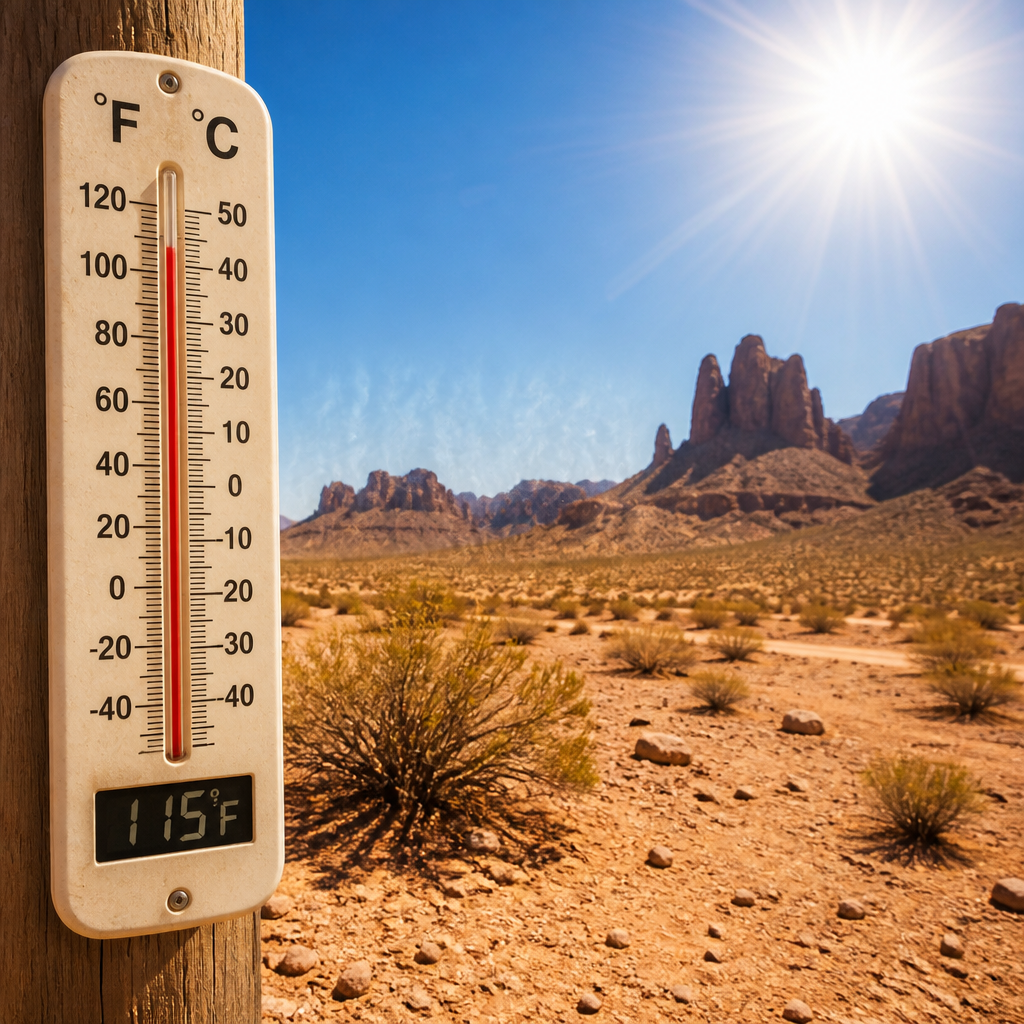
August in Arizona is not the time to find out your AC has been struggling. Temperatures routinely hit 110°F or higher across Phoenix, Tempe, Mesa, and Scottsdale, and your air conditioner has already been running hard since April. The data consistently shows that most residential AC failures occur between July and September, precisely when demand is highest and systems are most stressed. This complete AC maintenance checklist for Arizona homeowners gives you a practical, prioritized plan to protect your equipment, lower your utility bills, and avoid emergency service calls during the worst heat of the year.
Table of Contents
- Why August AC Maintenance Is Different From Any Other Month
- Outdoor Unit Checklist: What to Inspect and What to Leave to a Pro
- Indoor Unit Checklist: Air Handler, Coils, and Drain Lines
- Air Filter Management in Peak Heat Season
- Thermostat and Controls: Settings That Actually Save Money in Arizona
- DIY vs. Professional Tune-Up vs. Skipping Maintenance: A Realistic Comparison
- Refrigerant Levels and Electrical Components: Do Not Guess
- Indoor Air Quality Checks for August Monsoon Season
- Warning Signs Your AC Is About to Fail in August
- Frequently Asked Questions
Quick Takeaways
| Key Insight | Explanation |
|---|---|
| Change your air filter every 30 days in August | Arizona dust, pollen, and monsoon particulates clog filters far faster than the national 60-90 day standard. A dirty filter forces your blower to work harder and raises energy costs. |
| Clear at least 2 feet of clearance around your condenser | Desert scrub, overgrown oleanders, and stored equipment block airflow. Restricted airflow around the outdoor unit causes high head pressure and compressor strain. |
| Check your condensate drain line monthly during summer | High humidity from monsoon season combined with heavy AC use accelerates algae growth in drain lines. A clogged line causes water damage and system shutdowns. |
| Set your thermostat no lower than 78°F when home | According to the U.S. Department of Energy, 78°F is the optimal balance point for comfort and efficiency in hot climates. Going lower in August spikes your APS or SRP bill significantly. |
| Professional tune-ups catch low refrigerant before a breakdown | Refrigerant issues do not resolve themselves. A system running low on refrigerant in August will fail, usually on the hottest day of the week. Only a licensed technician can diagnose and correct this legally. |
| Evaporator coil cleaning is not optional in August | Dirty evaporator coils reduce heat transfer efficiency by up to 30%, forcing longer run cycles and higher electricity consumption at peak rate periods. |
| Monsoon season demands extra attention to outdoor electrical connections | Monsoon storms bring moisture, dust, and debris into disconnect boxes and condenser units. Corroded or loose electrical connections are a leading cause of compressor failure in Arizona. |
Why August AC Maintenance Is Different From Any Other Month
Most HVAC maintenance guides are written for climates where summer peaks in late June and systems get a break by mid-August. Arizona does not work that way. By August, your air conditioner has been running nearly continuously for four to five months. That runtime accumulates wear on capacitors, contactors, fan motors, and compressor windings in ways that a spring tune-up cannot fully predict.
In practice, the technicians at Brewer's Air Conditioning and Heating see a consistent pattern: systems that received a spring tune-up but no mid-season attention are the ones most likely to fail in August. The combination of sustained heat, monsoon humidity spikes, and peak electrical demand creates a perfect set of conditions for component failure.
August in central Arizona also brings the highest electricity rates of the year. APS and SRP both use time-of-use pricing structures that penalize heavy daytime usage. A poorly maintained system that runs longer cycles and struggles to reach setpoint costs you money every single hour it operates inefficiently.
"Homeowners who skip mid-season maintenance checks in Arizona are essentially gambling with both their comfort and their equipment. The desert operating environment is simply harder on HVAC systems than almost anywhere else in the country." -- Brewer's Air Conditioning and Heating, serving central Arizona since 1982
The checklist below is organized by urgency and skill level. Some items are legitimate DIY tasks. Others require licensed technicians with proper tools. Knowing which is which prevents both unnecessary service calls and dangerous DIY attempts.
Outdoor Unit Checklist: What to Inspect and What to Leave to a Pro
What You Can and Should Do Yourself
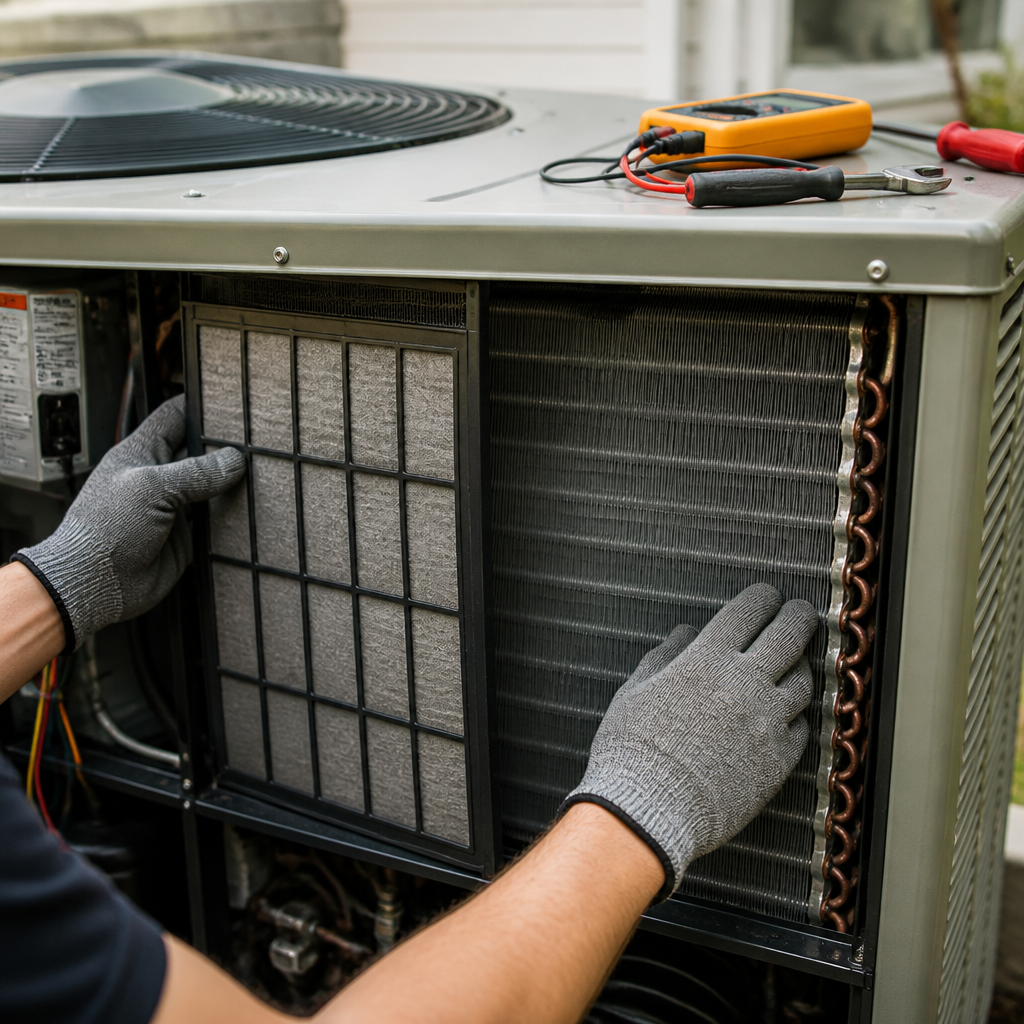
Start with a visual inspection of your condenser unit. Look for bent or flattened fins on the coil. Even moderate fin damage reduces airflow across the coil and drops efficiency. You can carefully straighten minor fin damage with a fin comb, available at any HVAC supply store, but do not attempt this while the unit is running.
Clear debris from around and underneath the unit. Monsoon storms blow dead palm fronds, seed pods, and general yard debris directly into condenser coils. Use a garden hose to gently rinse the coil from the inside out, not from the outside in, to push debris out rather than deeper into the fins. Do this with the system powered off at the disconnect.
Inspect the disconnect box located near the outdoor unit. Look for signs of scorching, melted insulation, or corrosion on the fuses and wiring. If you see any of these, stop and call a licensed technician. Do not attempt to replace fuses on a disconnect box yourself unless you have specific electrical training.
What Requires a Licensed Technician
Refrigerant pressure checks, electrical amperage draws on the compressor and fan motor, capacitor testing, and contactor inspection all require proper tools and certifications. A professional AC tune-up in August should include all of these items. Brewer's technicians use manifold gauges and digital multimeters to evaluate every electrical component, not just a visual once-over.
A common mistake homeowners make is assuming that because the unit is running, everything is fine. A compressor running at 15% above rated amperage is about to fail. You cannot detect that with a visual inspection. A licensed technician can, and catching it early means a capacitor replacement instead of a full compressor replacement, which is a difference of roughly $200 versus $1,500 or more.
Pro tip: Turn off your AC at the thermostat and wait five minutes before powering down the disconnect box when you plan to rinse the condenser coil. This lets the compressor equalize refrigerant pressure and prevents liquid slugging on restart.
Indoor Unit Checklist: Air Handler, Coils, and Drain Lines
Evaporator Coil Inspection
The evaporator coil sits inside your air handler, usually in the attic or a utility closet. In Arizona attics, ambient temperatures can reach 150°F in August. Your air handler operates in this environment every day. Over time, dust and microbial buildup on the evaporator coil creates an insulating layer that kills heat transfer efficiency.
A genuinely clean evaporator coil is bright aluminum. A coil that looks gray or dark is working harder than it should. Cleaning the evaporator coil properly requires removing the access panel, applying coil cleaner, and allowing it to drain. This is a task most homeowners should leave to a technician, because improper cleaning can damage fin surfaces and cause leaks around the coil pan gaskets.
Condensate Drain Line Maintenance
This is one of the most important and most overlooked tasks on any HVAC maintenance checklist for Phoenix homeowners. Your AC pulls significant moisture out of the air during monsoon season. That moisture drains through a PVC condensate line. Algae and biofilm grow rapidly in these lines during hot, humid conditions.
Pour a quarter cup of distilled white vinegar into the condensate drain access port monthly from June through September. This is a legitimate DIY task that takes two minutes and prevents drain line clogs that cause water overflow into your ceiling or walls. Some air handlers also have a float switch that shuts the system down when the drain pan fills up. If your system suddenly stops cooling and you cannot figure out why, check the condensate pan for standing water before calling for service.
If your drain line is already clogged, a wet-dry shop vacuum applied to the exterior drain outlet for 60 seconds will often clear the blockage. If it does not, or if you see standing water in the pan, call a technician. Standing water in an attic air handler will damage drywall ceilings quickly.
Pro tip: Locate your condensate drain line's clean-out access port before you need it in an emergency. It is typically a T-shaped PVC fitting with a removable cap near the air handler. Knowing where it is saves time and panic during a clog.
Air Filter Management in Peak Heat Season
The national recommendation of changing your air filter every 60 to 90 days does not apply in Arizona. During August, most homes in the Phoenix metro need a new filter every 30 days at minimum. Homes near construction sites, homes with pets, or homes with residents who have allergies may need filter changes every two to three weeks.
The MERV rating of your filter matters. A MERV 8 filter captures most household dust and debris without significantly restricting airflow. A MERV 13 or higher filter captures finer particles including some allergens and monsoon-related dust, but it also restricts airflow more. If your system was not designed for high-MERV filtration, installing a MERV 13 filter can reduce airflow enough to cause evaporator coil freeze-ups.
Check with your HVAC technician about the highest MERV rating your specific system can handle before upgrading. Brewer's technicians can advise on filter selection during a scheduled maintenance visit. The wrong filter choice in August, with your system running flat-out, causes more harm than a slightly lower-rated filter that allows proper airflow.
Thermostat and Controls: Settings That Actually Save Money in Arizona
Optimal Temperature Settings for August
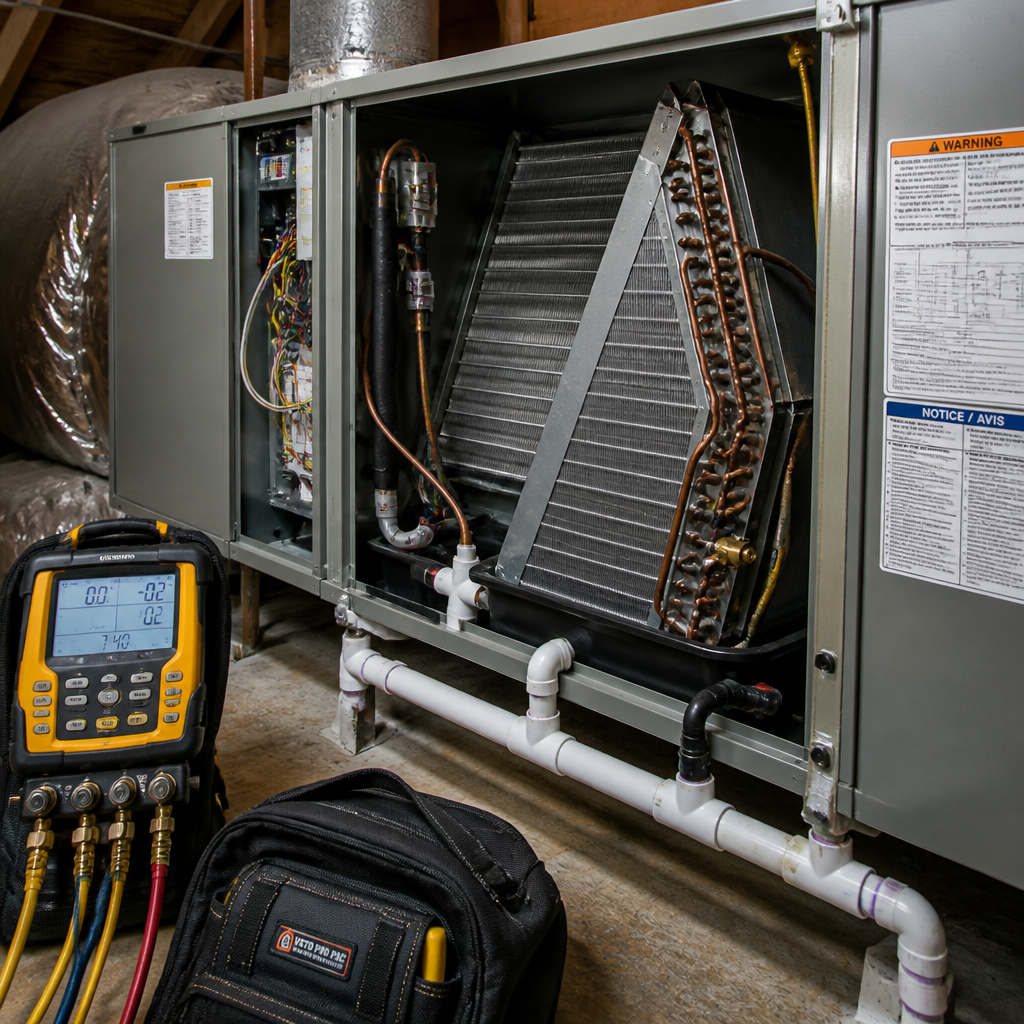
The U.S. Department of Energy recommends 78°F when you are home and 85°F when you are away as optimal settings for hot climates. In practice, setting your thermostat below 72°F in August will not make your home cool faster. Your AC removes heat at a fixed rate determined by system capacity. All a lower setpoint does is keep the system running longer and harder.
A common mistake is setting the thermostat to 65°F when you return home from work to "cool down faster." This does not work. It just runs your system at full capacity longer and costs more money. Set your thermostat to your target temperature and let the system reach it at its own pace.
Smart Thermostat Scheduling for Arizona Summers
A programmable or smart thermostat pays for itself quickly in an Arizona August. Set pre-cooling to begin around 4:00 PM to bring the home to temperature before the 4-7 PM peak rate period used by SRP's EZ-3 plan and similar APS rate schedules. This strategy is called pre-cooling, and it is one of the most effective ways to reduce peak-hour electricity costs without sacrificing comfort.
Check your thermostat display for any error codes or alerts. Modern thermostats connected to smart HVAC systems will often flag issues like low airflow or high return air temperatures before they become failures. If your thermostat is showing readings that seem off, or if rooms that used to cool evenly are now warmer than others, these are diagnostic signals worth acting on before a system breakdown occurs.
DIY vs. Professional Tune-Up vs. Skipping Maintenance: A Realistic Comparison
Arizona homeowners often ask whether a professional AC tune-up in August is worth the cost when they have already done their own checklist items. The answer depends on what you are comparing. Here is a direct comparison of the three realistic approaches most homeowners take.
| Maintenance Approach | What It Covers | Expected Outcome in August |
|---|---|---|
| DIY Only (filter change, coil rinse, drain flush) | Air filter replacement, condenser coil rinse, condensate drain treatment, thermostat check, visual debris clearance | Reduces risk of common failures. Does not catch refrigerant issues, failing capacitors, low motor amperage, or electrical problems. System may still fail without warning. |
| Professional Tune-Up (Brewer's AC service call) | All DIY tasks plus refrigerant pressure check, electrical component testing, capacitor and contactor inspection, blower motor amperage, evaporator and condenser coil cleaning, drain flush, system performance report | Catches 85-90% of likely failure points before they become emergency breakdowns. Extends system lifespan. Validates system efficiency. Qualifies for warranty compliance on Trane and Lennox equipment. |
| No Maintenance | Nothing | Significantly elevated risk of emergency breakdown during peak heat. Higher monthly utility costs from reduced efficiency. Shortened equipment lifespan. Potential for $1,500-$5,000 compressor or system replacement instead of a $200-$400 preventive service call. |
The math is straightforward. A professional tune-up from a company like Brewer's Air Conditioning and Heating costs a fraction of an emergency service call after hours in August, which carries premium labor rates on top of parts costs. Flat-rate pricing means you know what you are paying before any work begins, which eliminates the surprise billing that some Phoenix-area competitors are known for.
Refrigerant Levels and Electrical Components: Do Not Guess
Refrigerant does not get consumed during normal operation. If your system is low on refrigerant, it has a leak. Adding refrigerant without finding and repairing the leak is a temporary fix that will leave you back in the same situation in a few months. In August, a few months means next summer, but the leak will have grown in the meantime.
Signs of low refrigerant include: ice forming on the refrigerant lines or evaporator coil, warm air blowing from supply registers despite the system running, and unusually long run cycles that never seem to reach the thermostat setpoint. These symptoms require a licensed technician with refrigerant handling certification. Under EPA Section 608 regulations, only certified technicians may purchase and handle refrigerants legally.
Electrical components are the other major failure category in August. Capacitors degrade with heat exposure, and by August they have already been subjected to months of high-temperature operation in Arizona attics and rooftop package units. A capacitor that tests near the low end of its rated tolerance in August will likely fail before the season ends. Replacing it proactively costs around $150 to $300. Waiting for it to fail means a no-cool emergency call, often on a weekend, with after-hours labor rates.
Indoor Air Quality Checks for August Monsoon Season
Arizona's monsoon season runs from June 15 through September 30. August sits squarely in the middle of it, bringing elevated humidity, haboobs that push massive amounts of dust through any gap in your home's envelope, and mold-friendly conditions in air handlers that are not properly maintained.
After a major dust storm, inspect your return air filter and replace it regardless of how recently you changed it. A single haboob can load more particulate onto a filter than two weeks of normal operation. Running a heavily loaded filter restricts airflow to the point where your system struggles to pull adequate air across the evaporator coil.
Humidity control is also relevant in August. Homes in Tempe, Ahwatukee, Chandler, and Mesa that experience higher humidity from monsoon moisture may benefit from a whole-home dehumidifier or an HVAC system with enhanced dehumidification capability. If your home feels clammy even when the thermostat setpoint is reached, the system may be sized too large or may lack humidity control. This is worth discussing with a licensed HVAC professional.
Check your supply and return vents for visible mold growth or musty odors after any period of high humidity. Mold in the ductwork is a serious indoor air quality issue that spreads through the home every time the system runs. If you smell something musty coming from your vents, schedule a duct inspection before the problem gets worse.
Warning Signs Your AC Is About to Fail in August
Sounds That Signal Imminent Failure
A healthy AC system running in August makes a consistent hum and the sound of air moving through ducts. Any sound outside this baseline deserves attention. A grinding noise from the air handler usually means the blower motor bearings are failing. A banging or clanking from the outdoor unit often means a loose or broken fan blade. A clicking sound that repeats on startup but does not progress to full operation is frequently a failing capacitor or contactor.
Refrigerant leaks sometimes produce a hissing or bubbling sound near the refrigerant lines. This is one of the few refrigerant-related symptoms you can actually hear. If you hear hissing near the indoor unit or along the refrigerant lines, shut the system off and call for service. Running a system with a significant refrigerant leak can damage the compressor in a matter of hours.
Performance Symptoms That Mean Call Now, Not Later
If your home cannot get below 82°F in August despite the system running continuously, something is wrong. This is not normal. Either the system has lost capacity through refrigerant loss, the evaporator coil is too dirty to transfer heat, the ductwork has a major leak, or the system is fundamentally undersized. All of these need professional diagnosis.
Electrical circuit breakers tripping repeatedly for your AC circuit are a warning sign that should never be ignored. A breaker that trips once and resets and then runs fine may have been caused by a voltage spike. A breaker that trips repeatedly under normal operation means the system is drawing more current than the circuit is rated for, which is an electrical fire risk. Do not keep resetting the breaker and hoping for the best. Call a licensed HVAC technician and potentially an electrician to evaluate the situation before it becomes dangerous.
Pro tip: Keep a basic maintenance log for your AC system. Note filter change dates, any unusual sounds or performance changes, and service visit summaries. When you call Brewer's for service, having this history helps technicians diagnose problems faster and more accurately, which saves you both time and money.
Frequently Asked Questions
How often should I change my AC filter in August in Arizona?
Every 30 days at minimum during August. Homes with pets, construction nearby, or allergy-sensitive residents may need filter changes every two to three weeks. Arizona's dust levels, especially during monsoon season, clog filters significantly faster than the national average. A clogged filter is one of the most common causes of reduced cooling performance and higher energy bills.
Is it worth getting an AC tune-up in August if I already had one in spring?
Yes, particularly if your spring tune-up was done before May. By August, your system has already run through the most demanding stretch of the Arizona cooling season. Capacitors degrade, refrigerant can develop slow leaks, drain lines clog, and condenser coils accumulate debris. A mid-season check catches problems that did not exist or were not yet detectable in spring. Brewer's Air Conditioning and Heating offers maintenance visits specifically structured around Arizona's extended cooling season.
What temperature should I set my thermostat to in August to save money?
Set your thermostat to 78°F when you are home and 85°F when you are away. These settings are specifically recommended by the U.S. Department of Energy for hot climates and represent the best balance between comfort and efficiency. If you use a time-of-use rate plan through APS or SRP, pre-cool your home to 76-77°F before the peak rate window begins, then allow it to drift to 80°F during peak hours to minimize charges.
Can I rinse my outdoor AC unit with a garden hose myself?
Yes, with the right precautions. Power off the system at the thermostat and at the outdoor disconnect box before starting. Use a garden hose with a gentle spray setting, not a pressure washer. Spray from the inside of the unit outward to push debris out of the fins rather than deeper in. Allow the unit to dry for at least 15 minutes before restoring power. Do not spray directly into the electrical components, disconnect box, or wiring.
Why does my AC run all day in August but never reach my thermostat setpoint?
This is a symptom with several possible causes: low refrigerant, a dirty evaporator coil reducing heat transfer, blocked supply or return vents, significant duct leakage in a hot attic, or a system that is undersized for your home's square footage and insulation level. It can also happen when outdoor temperatures exceed a system's design limits. A licensed technician needs to measure system pressures, airflow, and temperature differentials to diagnose the actual cause. Do not assume this is normal for Arizona summers because it is not.
How do I clear a clogged AC condensate drain line myself?
Locate the exterior drain outlet, usually a PVC pipe exiting through an exterior wall near the foundation. Apply a wet-dry shop vacuum to the outlet for 60 seconds to suction out the clog. Alternatively, pour a quarter cup of distilled white vinegar into the indoor clean-out access port monthly to prevent algae buildup from forming in the first place. If suction does not clear the clog and you have standing water in the drain pan, call a technician to avoid ceiling or wall water damage.
Have you completed your August AC checklist this year? Share what you found or ask about any symptoms you are dealing with. Your experience could help another Arizona homeowner avoid a breakdown during the hottest part of the summer.
References
- U.S. Department of Energy: official guidance on home cooling efficiency and thermostat settings for hot climates
- U.S. Environmental Protection Agency: EPA Section 608 refrigerant handling regulations and certified technician requirements
- ASHRAE: American Society of Heating, Refrigerating and Air-Conditioning Engineers standards for HVAC maintenance and indoor air quality
- ENERGY STAR: program benchmarks for HVAC system efficiency ratings and certified equipment standards
- Consumer Reports: independent testing and ratings for home air conditioning systems and maintenance product recommendations
About the Author
Mark Ybarra
Mark Ybarra is the owner and leader of Brewer's Air Conditioning & Heating, a trusted HVAC company serving Tempe, Phoenix, Scottsdale, Mesa, and surrounding Arizona communities since 1982. After working in multiple roles within the company, Mark officially took ownership in 2018 and continues to uphold Brewer's long-standing commitment to integrity, exceptional service, and customer satisfaction.
Need HVAC Help?
Serving Phoenix, Tempe, Scottsdale, Mesa & surrounding areas since 1982.